Schools
UCSD Receives Grant for Alzheimer's Research
The National Institutes of Health awarded Steven Wagner of UC San Diego's Department of Neurosciences a $1 million grant to fund development of a Alzheimer's disease therapy.


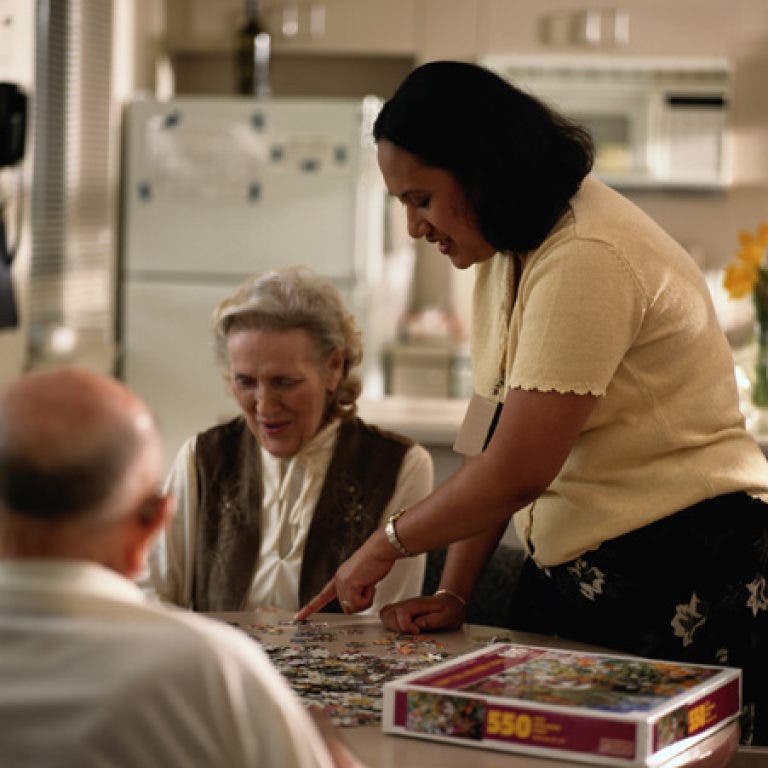

The National Institutes of Health (NIH) awarded researchers at UC San Diego’s School of Medicine a $1 million grant to fast-track development of a new Alzheimer’s disease therapy drug. According to the Alzheimer’s Association, 5.4 million people have Alzheimer’s disease.
The five-year grant to principal investigator Steven Wagner, PhD, a project scientist at the UC San Diego Department of Neurosciences, will fund development of a compound that specifically targets and reduces a protein fragment that accumulates in the brain of Alzheimer’s patients. In animal tests, the compound produced by UCSD researches reduced levels of the protein without affecting other brain activities and without causing the adverse side effects of other potential drugs, according to UCSD officials.
“The idea is to take the drug all the way through Phase 1 clinical trial,” said Wagner in an announcement. “NIH funding will directly fund private contractors to work with researchers in critical pre-clinical development steps, such as secondary drug compound testing for safety and toxicity and various bio-analytical studies that often spell the end of drug development in academia because there isn’t anywhere near adequate funding at the university level.”
Find out what's happening in La Jollawith free, real-time updates from Patch.
The grant was part of the NIH’s Blueprint for Neurosciences Research. Six other awards were announced for research into nervous system disorders ranging from neurodegenerative diseases to vision loss and depression.
Scott LaFee, a spokesman for UC San Diego Health Sciences, explained that the first grants by NIH are largely down payments on a handful of drugs or approaches that the NIH thinks have a real chance to become treatments, given financial support and development.
Find out what's happening in La Jollawith free, real-time updates from Patch.
Get more local news delivered straight to your inbox. Sign up for free Patch newsletters and alerts.